


To be a Balinese chef is not simply to cook—it is to listen, to observe, and to participate in a rhythm that has been shaped over generations. In Bali, food is not separate from life. It is woven into ceremonies, family gatherings, daily offerings, and quiet moments in the kitchen before the day begins.
For those who seek a deeper connection to the island, stepping into the role of a Balinese chef offers something beyond technique. It becomes an entry point into culture, memory, and the unseen philosophies that guide everyday life.
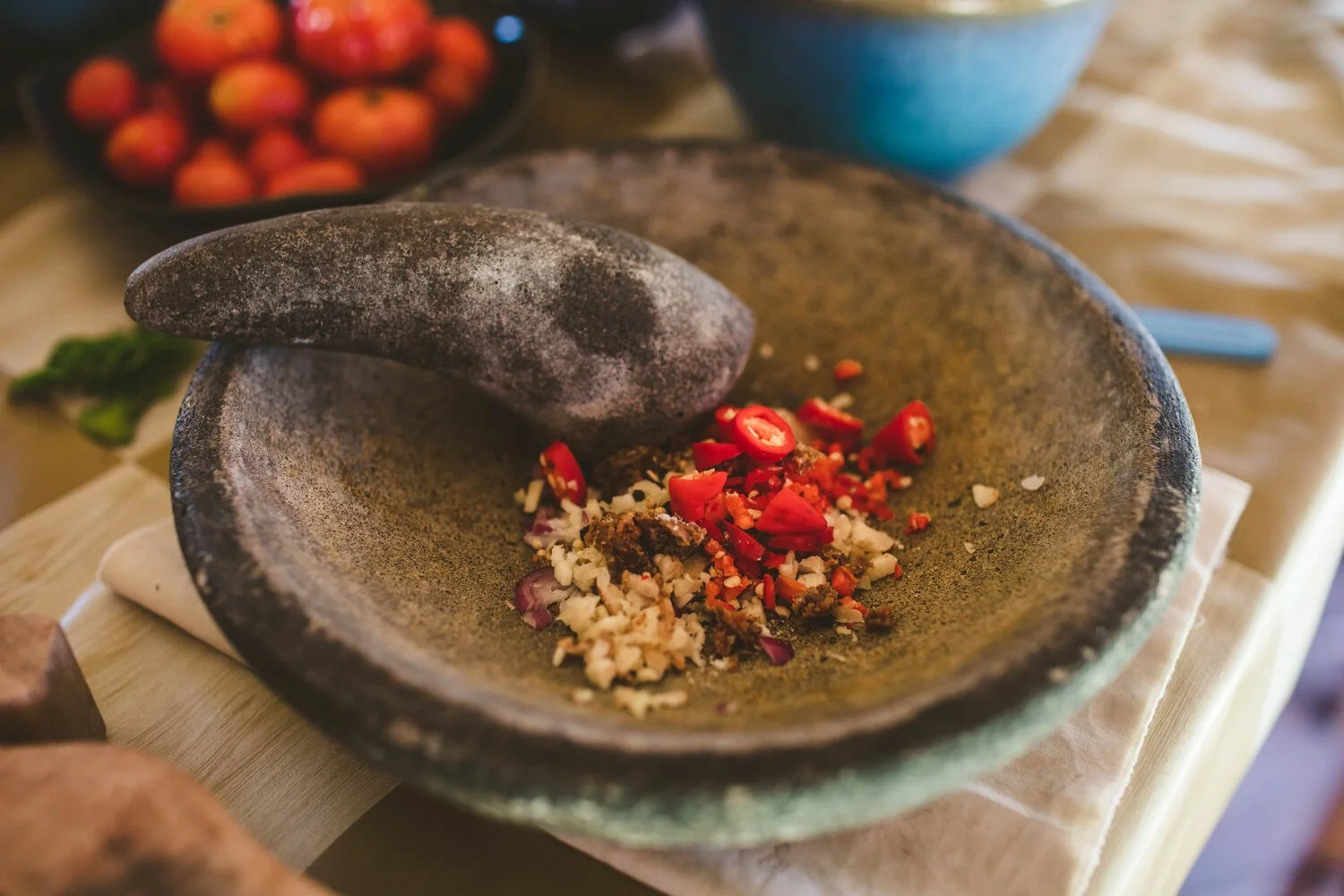
In Bali, the kitchen is a place of continuity. Recipes are rarely written; they are passed down through observation and repetition. A child watches a parent grind spices, prepare offerings, or stir a pot over an open flame. Over time, these gestures become instinct.
The foundation of Balinese cuisine lies in bumbu—a complex blend of spices that forms the base of many dishes. Ingredients like turmeric, galangal, lemongrass, garlic, and shallots are ground together, often by hand, creating layers of aroma and depth.
To “be a Balinese chef” is to understand that cooking begins long before the fire is lit. It starts in the market, in the garden, and in the quiet preparation of each ingredient.
The Essence of Balinese Cooking
Balinese cuisine is guided by balance—between flavors, elements, and intention.
The Role of Bumbu
At the heart of many dishes is bumbu base genep, a complete spice paste that reflects the richness of Balinese cooking.
Its preparation is deliberate:
-
Ingredients are selected fresh, often daily
-
Each component is measured not by scale, but by experience
-
The paste is ground slowly to release oils and fragrance
This process cannot be rushed. It teaches patience and awareness—qualities essential to a Balinese chef.
Fire and Transformation
Traditional cooking often uses wood fire or simple gas stoves, but the principle remains the same: heat transforms, but it must be controlled with care.
Dishes like slow-cooked meats or simmered vegetables require attention, not constant interference. The chef observes, adjusts, and allows the ingredients to evolve naturally.
Cooking as Offering
Many dishes prepared in Balinese households are first offered in small portions as part of daily rituals. Food is placed in woven palm-leaf trays and presented with incense and flowers.
This act reframes cooking—it is no longer only for consumption, but also for gratitude and balance.
A Practical Guide to Becoming a Balinese Chef (Even for a Day)
Joining a Cooking Experience
For travelers, becoming a Balinese chef often begins with a cooking experience rooted in local life.
These experiences typically include:
-
A visit to a traditional market
-
Introduction to local herbs and spices
-
Hands-on preparation of spice pastes
-
Cooking multiple dishes from scratch
-
Shared meals in a home or village setting
The emphasis is not on perfection, but on participation.
Key Dishes You May Learn
Nasi Goreng
Indonesia’s iconic fried rice, elevated in Bali through the use of fresh spices and local techniques.
Sate Lilit
Minced meat mixed with coconut and spices, wrapped around lemongrass sticks and grilled gently.
Lawar
A traditional mixture of vegetables, coconut, and spices—sometimes including minced meat—prepared fresh and consumed the same day.
Ayam Betutu
A slow-cooked chicken dish infused with rich spices, wrapped and cooked over hours until deeply tender.
Each dish reveals a different aspect of Balinese culinary philosophy.
What You Will Take Away
-
A sensory understanding of ingredients
-
A deeper appreciation for preparation rituals
-
Techniques that can be adapted, but not rushed
-
A new relationship with food as something lived, not just consumed
Local Perspective
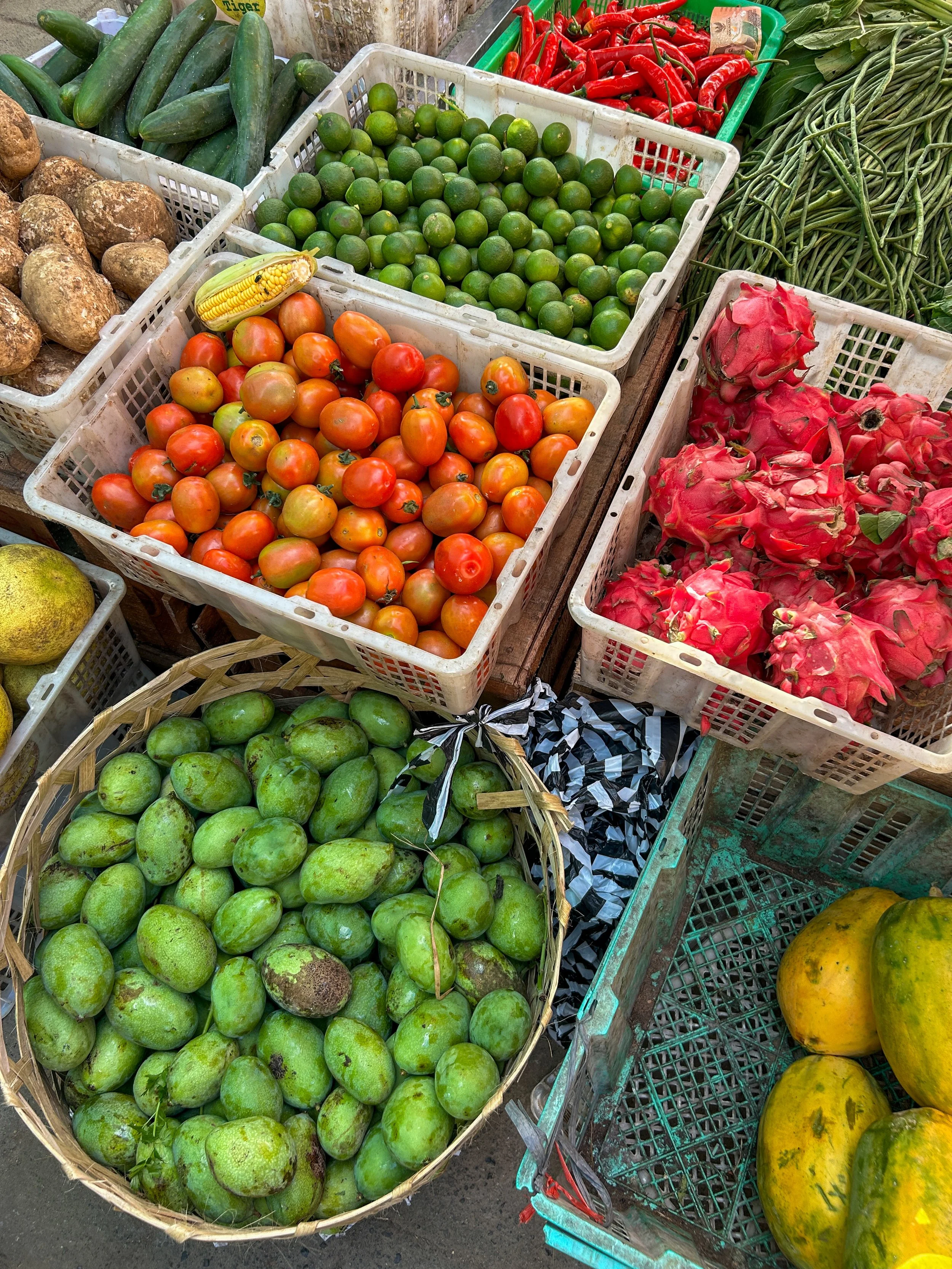
From a local perspective, cooking is inseparable from daily life.
In many households, the day begins early—sometimes before sunrise. Ingredients are prepared not only for meals, but also for offerings. The act of cooking is quiet, focused, and continuous.
There is also a communal aspect. Food is rarely prepared in isolation. Family members contribute, whether by cutting, grinding, wrapping, or arranging.
This shared process creates a sense of connection—between people, and between generations.
Understanding this shifts the idea of being a “chef.” It is not about individual recognition, but about contributing to a collective rhythm.
Experiential Layer: Cooking as Cultural Immersion
To step into a Balinese kitchen, even briefly, is to enter a different pace of life.
The Market Visit
The experience often begins in a traditional market, where colors, textures, and scents create a vivid introduction to local ingredients. Vendors know their products intimately, and transactions are often accompanied by conversation.
This is where cooking truly begins.
The Preparation
Back in the kitchen, ingredients are laid out carefully. There is no urgency, only sequence.
You begin to understand:
-
Why certain spices are combined
-
How textures influence flavor
-
When to act, and when to wait
The Shared Meal
At the end, the meal is shared—not as a performance, but as a natural conclusion. Sitting together, tasting what has been created, becomes a moment of quiet satisfaction.
It is here that the experience settles into memory.
Beyond Technique
What remains is not just the ability to recreate dishes, but a shift in awareness.
Cooking becomes:
-
More attentive
-
More intentional
-
More connected to place and process
This is the deeper meaning of becoming a Balinese chef.
Integrating the Experience into Your Bali Journey
Culinary experiences offer a different lens through which to understand Bali.
They can be paired with:
-
Visits to rice fields, understanding the source of staple ingredients
-
Temple visits, observing the role of food in offerings
-
Village walks, seeing daily life unfold beyond tourist spaces
When integrated thoughtfully, cooking becomes part of a larger narrative—one that connects land, culture, and personal experience.
Through this lens, Bali is not just seen, but tasted and felt.
Explore Journey with Gangga Experience
There is a quiet transformation that happens when you begin to engage with a place through its food. The act of cooking—of preparing, tasting, and sharing—creates a deeper awareness of where you are and how life moves around you.
In Bali, these experiences unfold gently. A morning in the market leads to an afternoon in the kitchen, which becomes an evening of shared stories and flavors. Each moment connects to the next, forming a journey that is both sensory and reflective.
Through Gangga Experience, these culinary encounters are not isolated activities, but part of a wider exploration—one that invites you to slow down, to observe, and to participate in the living culture of the island.
→ Explore Journey with Gangga Experience
https://ganggaexperience.com/journey