

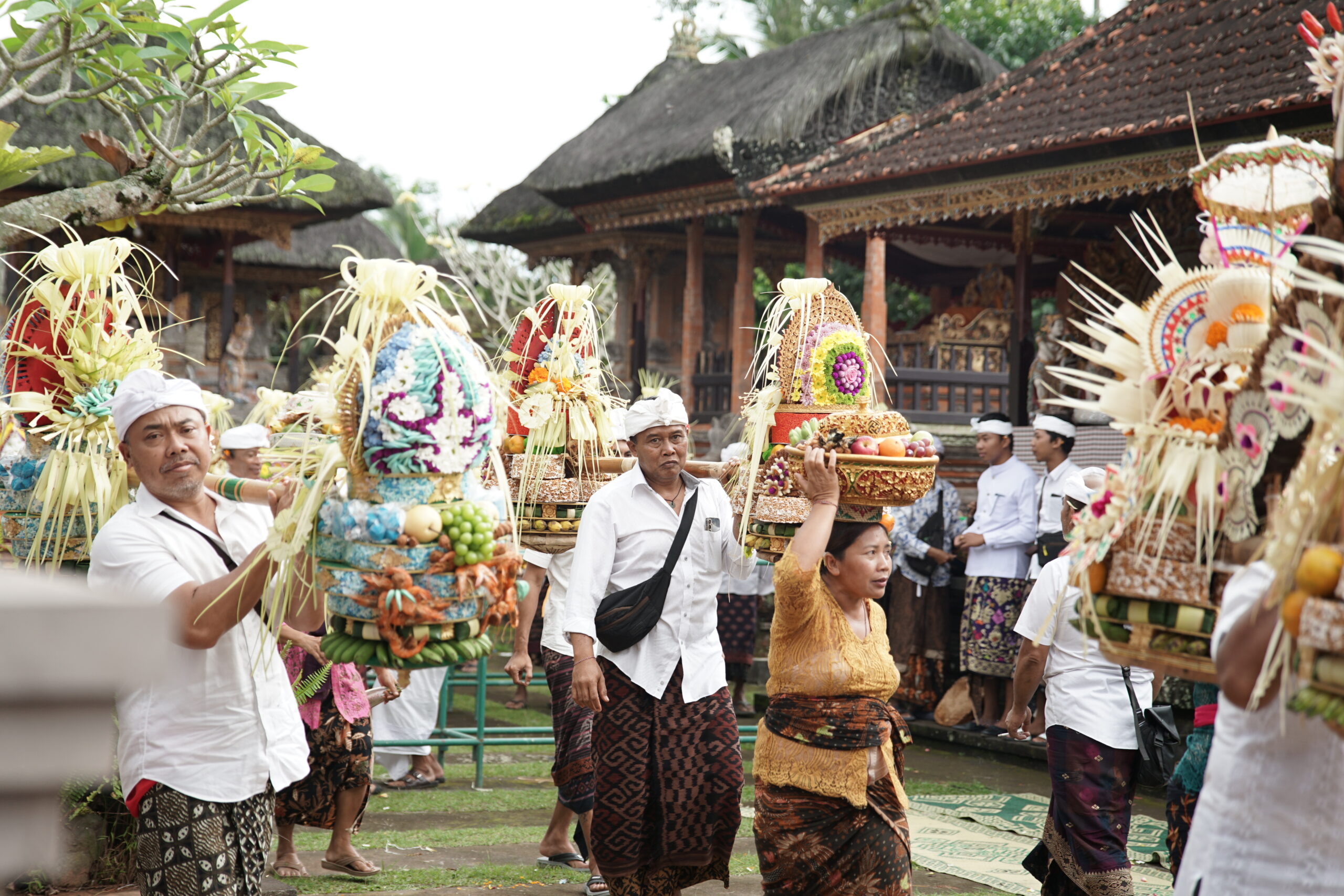
Sebatu Village: Where Daily Life Still Follows Ritual and Water
Just north of Ubud, beyond the cafés, galleries, and curated experiences, lies Sebatu Village — a place that does not announce itself as a destination.
Sebatu does not try to be discovered. It continues living, quietly, whether visitors arrive or not.
For travelers who slow down enough to notice, Sebatu reveals a version of Bali that still moves
according to water, ritual, and daily rhythm — not schedules or demand.
What Is Sebatu Village?
Sebatu is a traditional Balinese village located in the highlands of Gianyar, known locally not for views or attractions, but for its springs, temples, and ceremonial continuity.
Unlike villages shaped around tourism infrastructure, Sebatu remains oriented inward. Daily life revolves around water sources, temple calendars, agricultural routines, and communal obligations.
To understand Sebatu, it helps to let go of the idea of a “place to visit.” Sebatu is a place people live in, not pass through.
A Village Shaped by Water
Springs, temples, and daily offerings
Water is not a feature in Sebatu. It is the organizing principle.
Natural springs feed irrigation channels, temple courtyards, and household spaces. Offerings are
prepared each morning, not as ritual display, but as maintenance — acknowledging balance before
work begins.
This relationship between water and belief becomes especially visible at Pura Gunung Kawi Sebatu, where
water flows continuously through temple grounds, connecting the village’s spiritual and physical
systems.
In Sebatu, water is not something to seek out. It is already present, shaping how the village breathes.
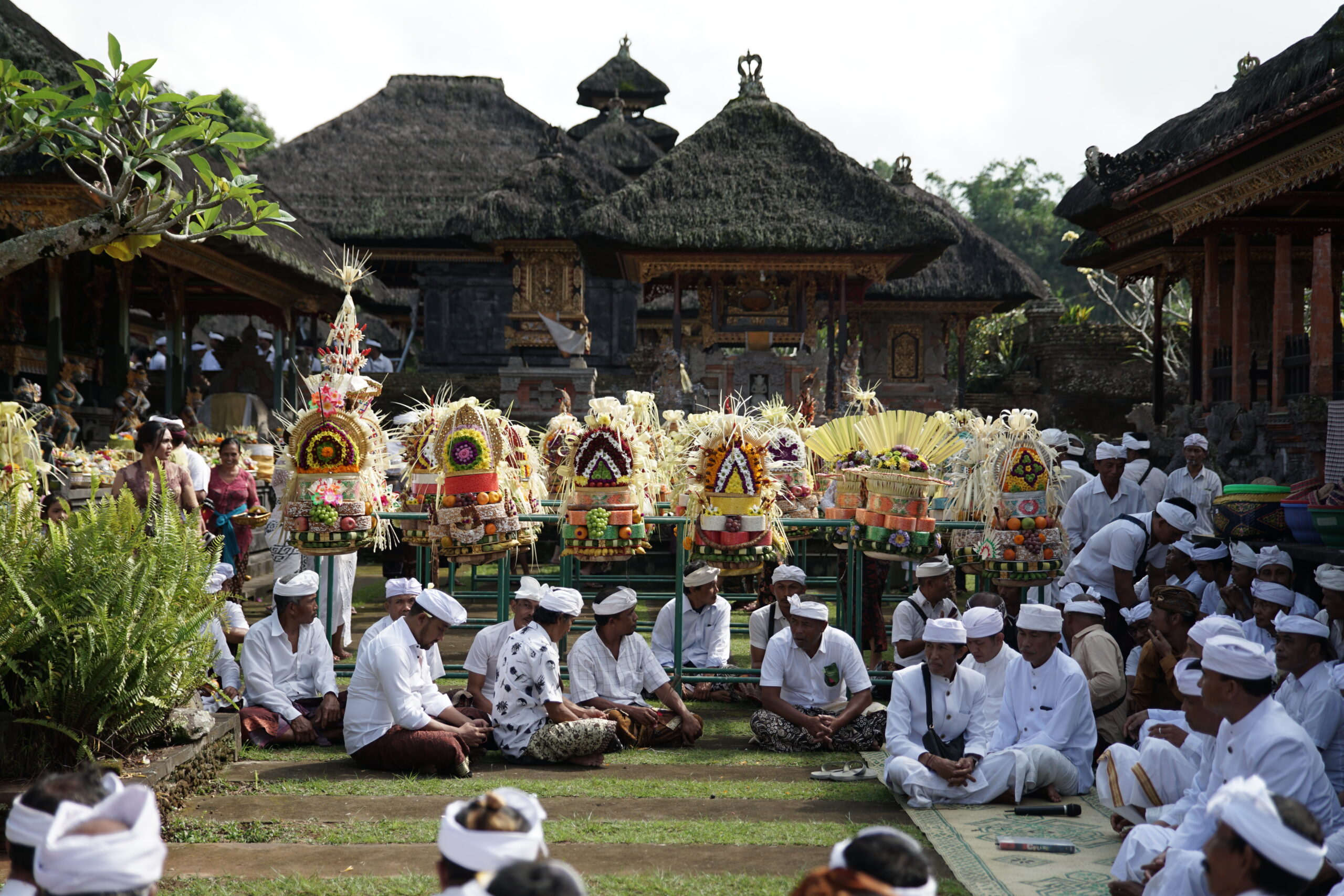
Daily Life in Sebatu Is Not a Performance
Mornings, work, ceremonies, and silence
There is no daily show in Sebatu.
Mornings begin early. Farmers walk toward their fields. Temple caretakers sweep courtyards. Women
prepare offerings before the day unfolds. Conversations are brief, purposeful.
Ceremonies happen when they are required — not when visitors arrive. Some days feel ordinary.
Others are filled with incense, sound, and color. Both are equally real.
Sebatu does not perform itself. It simply continues.
Why Sebatu Feels Different From Ubud
| Ubud | Sebatu |
|---|---|
| Cultural hub | Living village |
| Curated for visitors | Shaped for residents |
| Movement and variety | Rhythm and repetition |
| Designed to be explored | Designed to be inhabited |
Neither is better. They answer different needs. Sebatu offers context to Ubud — showing what culture
looks like when it is not packaged.
Who Sebatu Is (and Is Not) For
Sebatu is for:
- slow travelers
- repeat visitors to Bali
- people seeking quiet understanding
Sebatu is not ideal for:
- checklist travelers
- those short on time
- visitors looking for nightlife or constant activity
Sebatu does not reward urgency. It responds to presence.
When Sebatu Reveals Itself
There is no “best time” in terms of hours. Sebatu reveals itself early in the morning, during
temple days, and on ordinary afternoons when nothing appears to be happening.
The village becomes visible when you stop looking for highlights.
Sebatu as Part of Bali’s Living Culture
Sebatu is not an exception. It is an example. Across Bali, villages still function as living systems
integrating spiritual practice, agriculture, and community responsibility.
Understanding Sebatu helps travelers understand Bali more honestly — why rituals persist, why
wellness feels different here, and why slowing down is not a trend, but a necessity.
A Reflection Before You Visit
Sebatu does not promise transformation. What it offers is simpler: a chance to witness life
continuing without explanation.
If you arrive quietly, Sebatu may not give you an experience to remember — but it may change how
you notice everything that comes after.
Continue the Journey
Sebatu is one expression of Bali’s living village culture, where daily life, ritual, and water
remain inseparable.
Explore other destinations across Bali where spiritual practice, village life, nature, wellness,
and the sea shape how the island is experienced — slowly and with intention.
Editorial note for Gangga Experience: This article is intended as orientation, not instruction.
Sebatu is not something to consume, but something to understand.


