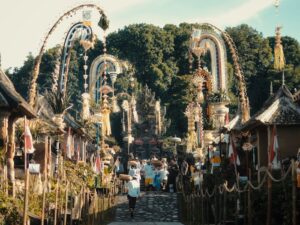
Its true character is experienced through rhythm.

It is found in quiet mornings before the roads become busy. It appears in the soft sounds of flowing water during purification rituals. It lives in village pathways, in temple offerings, in the warmth of shared meals, and in the calm silence of late afternoon as light slowly changes across the rice fields.
This is what makes Ubud different from many other destinations in Bali. Life here feels slower, more intentional, and more connected to balance.
If you only have one day in Ubud, the goal should not be to see everything.
The goal is to experience how time moves here.
Rather than focusing on quantity, focus on rhythm. Allow the day to unfold naturally, following a pace that reflects the way life in Ubud has long been lived—through balance between activity and stillness, movement and rest, connection and reflection.
Here is how to spend one day in Ubud—not as a checklist, but as a rhythm.
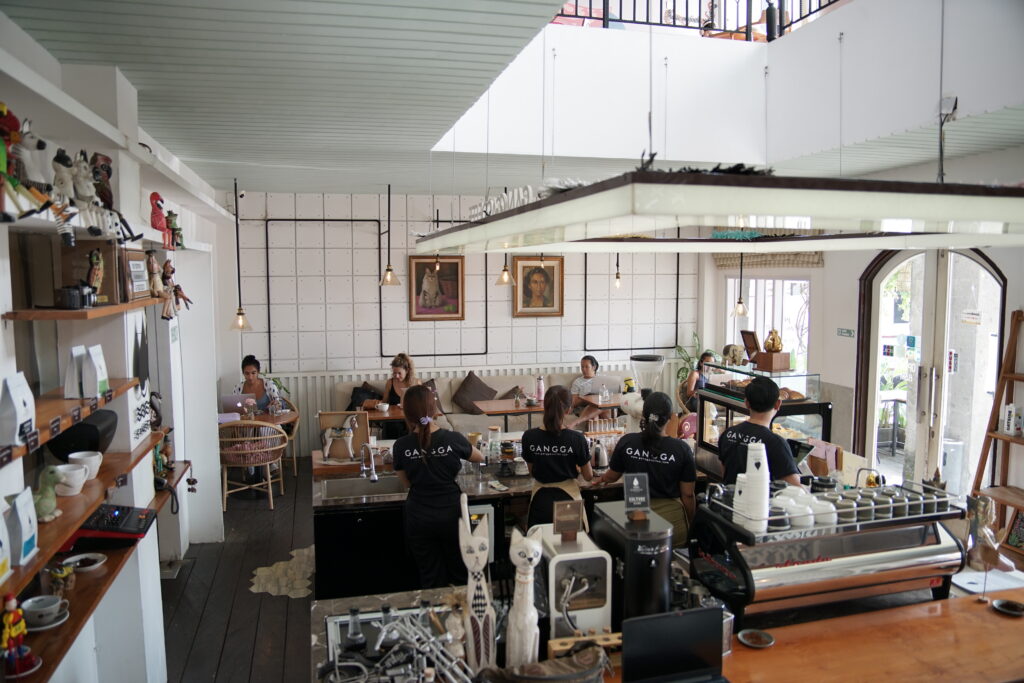
1. Begin the Morning Slowly with Coffee
Morning in Ubud arrives gently.
Before traffic builds, before tour schedules begin, and before the streets fill with movement, there is a unique calm that defines early morning here. The air feels cooler. The sounds are softer. Rice fields glisten with fresh morning light, and the surrounding landscape feels almost untouched.
This is one of the most beautiful moments of the day.
It is best experienced slowly, with coffee.
In Ubud, coffee is more than a daily habit. It becomes a ritual of transition—a way to move from rest into awareness. The act of sitting with a warm cup while the day gradually begins reflects the natural rhythm of the place itself.
Rather than drinking quickly and moving on, allow yourself time.
Sit longer than usual. Notice how the morning light shifts. Listen to birds, distant sounds from village life, or the soft movement of wind through tropical trees. Observe without rushing.
This slow beginning matters.
It sets the tone for the rest of the day.
Ubud rewards presence, and presence often begins in the quiet moments.
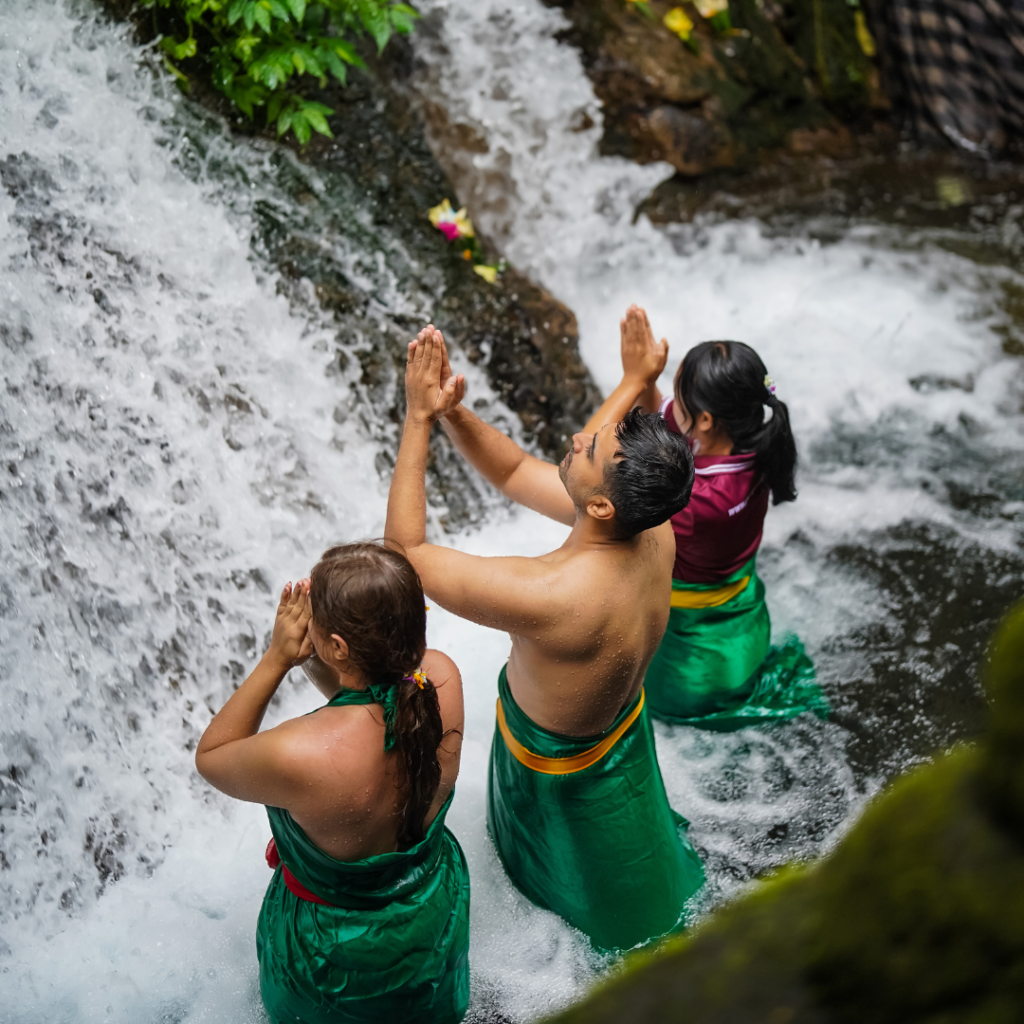
2. Visit a Sacred Water Site for Purification
Water holds deep spiritual significance in Balinese life.
Across Bali, sacred springs and water temples are places where purification rituals are practiced as part of daily spiritual life. These rituals are rooted in the belief that water carries cleansing energy—not only for the body, but also for the mind and spirit.
Near Ubud, several purification sites offer meaningful insight into this important aspect of Balinese culture.
What makes these places powerful is not simply their beauty, though many are visually striking. Their deeper significance lies in their function as living spiritual spaces.
These are not performances created for tourism.
They are traditions that continue across generations.
People come to pray, reflect, cleanse, and reconnect with balance. Ritual offerings, prayers, and sacred water all play important roles in the process.
Even for visitors who choose only to observe, the experience can be deeply calming.
The sound of flowing water naturally quiets the mind. The repetition of ritual creates a peaceful rhythm. The surrounding natural environment adds another layer of stillness.
In many ways, purification reflects one of Ubud’s core values:
the importance of returning to balance.
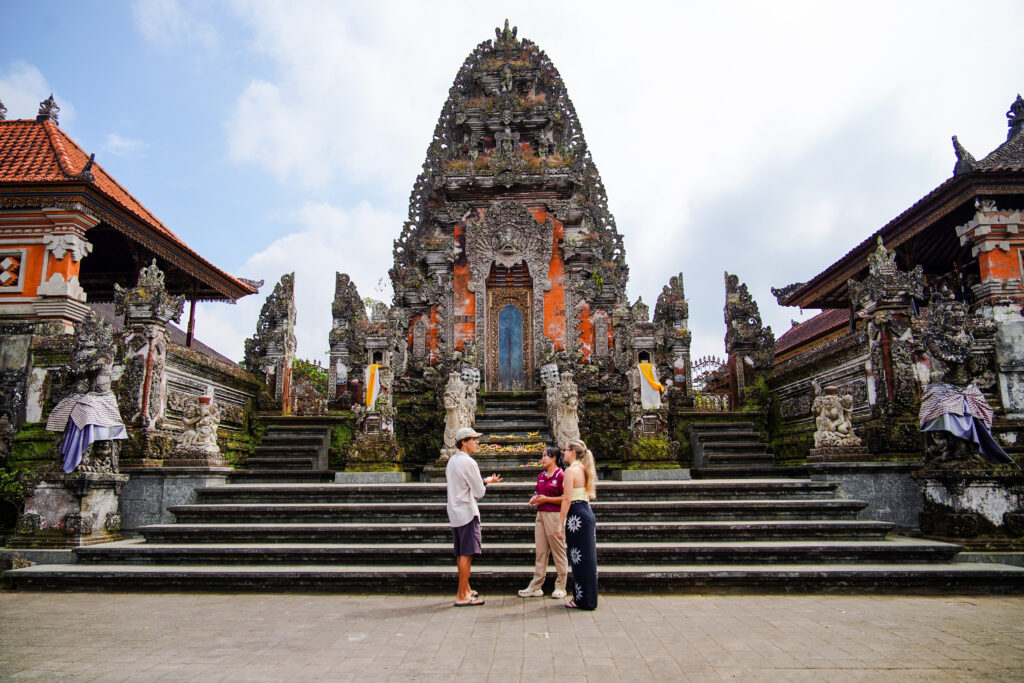
3. Walk Through a Traditional Village
Late morning is ideal for walking through a Balinese village.
By this time, the day has fully begun. Offerings have been placed. Daily work is underway. Community life becomes visible in small but meaningful ways.
This is where Ubud reveals another important layer of itself.
Villages offer insight into everyday Balinese life beyond tourist spaces. Here, homes, family temples, rice fields, and communal areas exist in close relationship, shaped by traditional values and spatial harmony.
Life feels structured, yet unhurried.
Movement has purpose, but rarely feels rushed.
Walking slowly through village paths allows you to notice details easily missed in faster travel. Intricate stone carvings on gates. Family shrines decorated with fresh offerings. The smell of incense drifting into open air. Sounds of cooking, conversation, and preparation.
These details matter because they reveal continuity.
They show how tradition remains integrated into daily life—not as preservation of the past, but as something actively lived in the present.
This quiet continuity is one of the most remarkable aspects of Ubud.
4. Enjoy a Light Midday Meal
By midday, Bali becomes warm.
The sun is stronger, energy naturally slows, and the rhythm of the day shifts.
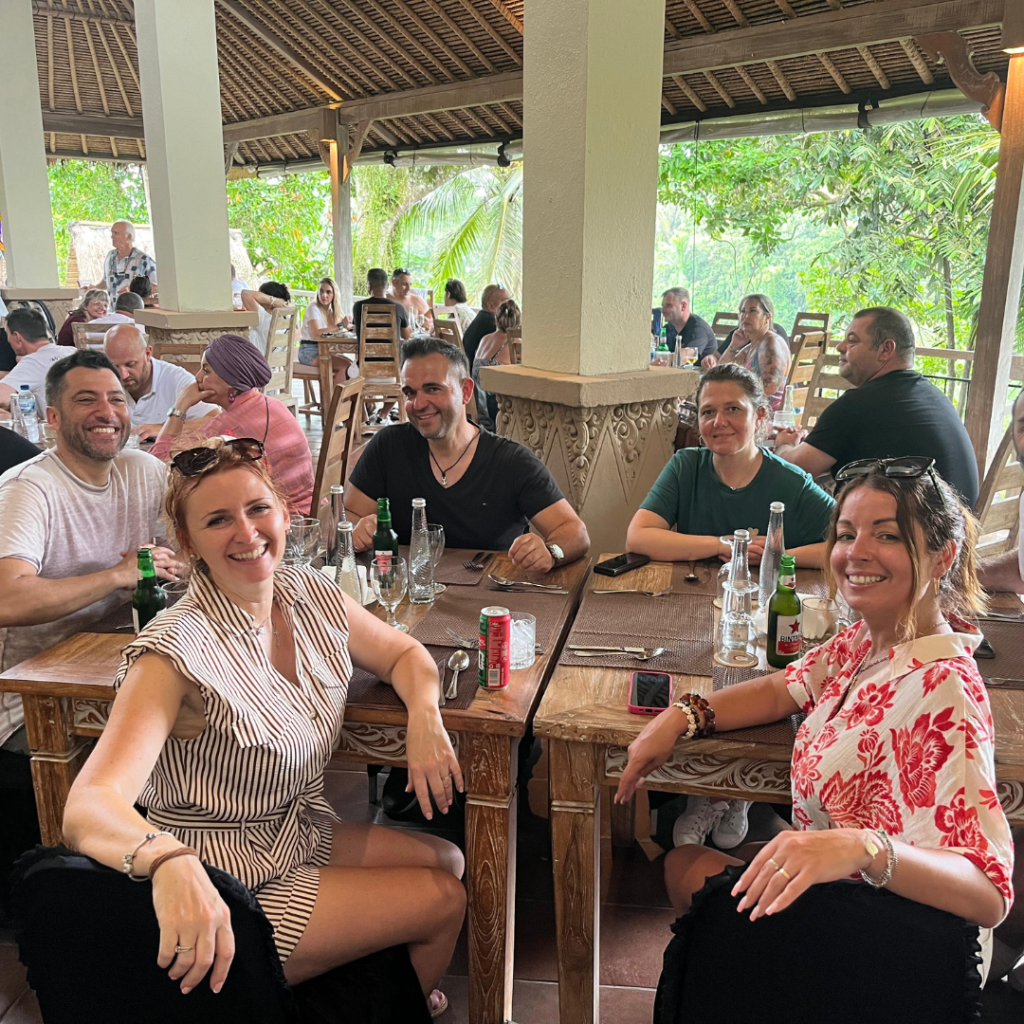
Lunch in Ubud works best when approached simply.
This is not the moment for heavy meals or rushed dining. Instead, a lighter, balanced meal often feels more aligned with both the tropical climate and the overall rhythm of the day.
Fresh vegetables, nourishing grains, tropical fruits, or locally inspired dishes provide energy without heaviness.
The purpose of lunch is not indulgence.
It is support.
It sustains the body while preserving the calm energy built throughout the morning.
In tropical destinations, there is wisdom in eating lightly. It helps maintain clarity, comfort, and ease—especially when the afternoon is intended for restoration rather than intensity.
Even the meal itself can remain unhurried.
Eat slowly. Pause between conversations. Allow lunch to become another quiet moment rather than simply a practical stop.
5. Rest or Experience Wellness in the Afternoon
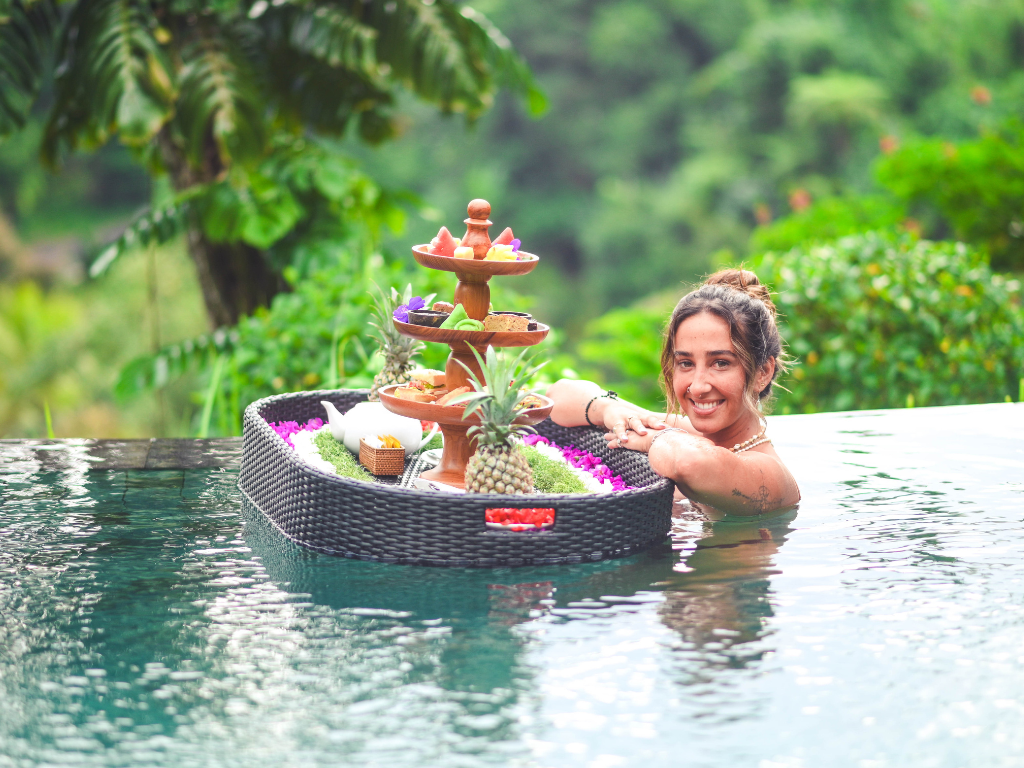
Afternoon in Ubud is best reserved for restoration.
This is when the heat is strongest and the natural pace of the day slows significantly. Rather than resisting this rhythm, it is often more rewarding to move with it.
Rest here is not seen as wasted time.
It is part of balance.
Whether through a spa treatment, massage, quiet reading, meditation, or simply lying down in a peaceful space, the afternoon offers an opportunity to reset both physically and mentally.
Wellness in Bali often emphasizes nervous system recovery.
The goal is not intensity.
The goal is restoration.
Slower breathing. Reduced tension. Calmer thoughts. Greater awareness of the body.
In an environment like Ubud—where nature, silence, and gentle sounds are part of daily life—this process feels especially natural.
Sometimes the most meaningful experiences in Ubud are not active experiences at all.
Sometimes they come through stillness.
6. Spend Late Afternoon in Nature or Stillness
As the day moves toward evening, Ubud changes again.
The intense midday heat softens. Light becomes warmer. Shadows grow longer across rice fields and pathways. The atmosphere feels more spacious.
This is one of the most beautiful times of day.
Late afternoon invites gentle movement or quiet observation.
Some people choose to walk through rice terraces, jungle paths, or village roads. Others prefer to sit quietly and simply observe the landscape as the light shifts.
Both approaches reflect the same principle:
presence.
This is not about doing more.
It is about noticing more.
The sound of wind across the fields. The changing color of the sky. The gradual transition from day into evening.
In these moments, time feels different.
Slower. Softer. Less demanding.
This spaciousness is part of what makes Ubud memorable.
7. End the Day with a Calm Evening Meal
Evenings in Ubud feel gentle.
Unlike destinations built around nightlife or constant stimulation, Ubud tends to quiet down as the day ends. The energy naturally turns inward.
Dinner becomes more than a meal.
It becomes closure.
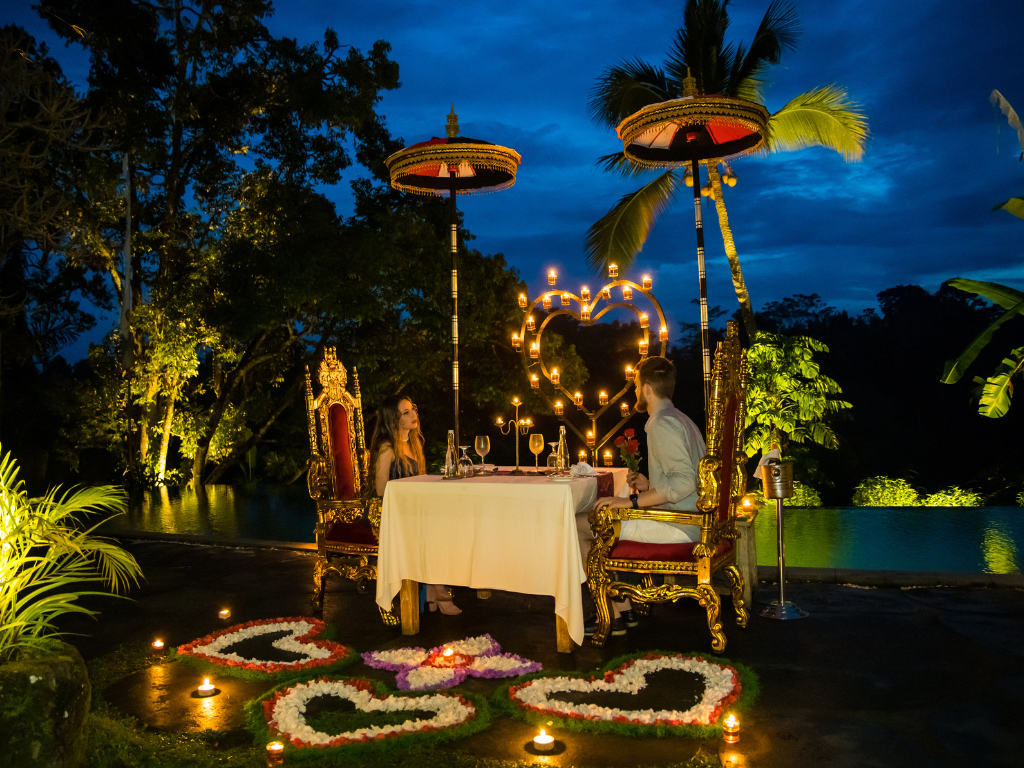
A calm evening meal provides space to reflect on the day. To share conversation quietly. Or simply to enjoy stillness after movement.
The atmosphere matters as much as the food.
Soft lighting. Comfortable surroundings. Slow conversation. No urgency.
The pace remains unhurried.
This mirrors how the day began—with gentleness and presence.
Ending the day in this way creates a sense of completion.
There is no need for excess.
Only space to settle.
One Day Is Enough to Feel Ubud
One day in Ubud may not be enough to see everything.
But seeing everything was never the goal.
What matters is experiencing how life moves here.
Ubud offers something increasingly rare in modern travel:
a different relationship with time.
Here, time feels less urgent. Movement feels less rushed. Daily life reflects a balance between action and stillness, work and ritual, energy and rest.
Even a single day can offer meaningful insight into this rhythm.
When approached with awareness rather than speed, Ubud reveals its most essential quality—not as a destination to conquer, but as a place to experience deeply.
And often, what stays with people long after leaving is not a specific attraction.
It is a feeling.
A feeling of calm.
A feeling of balance.
A feeling of moving through life with greater awareness.
That feeling often stays longer than any itinerary.
Explore More Experiences in Bali
If you wish to discover more places, rituals, and meaningful experiences that shape life in Bali, continue exploring the destinations, culture, and rhythms of daily life through Gangga Experience.
From village life and purification rituals to wellness journeys and immersive cultural experiences, Bali offers countless ways to connect more deeply with the island.