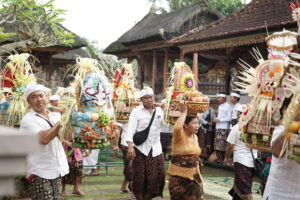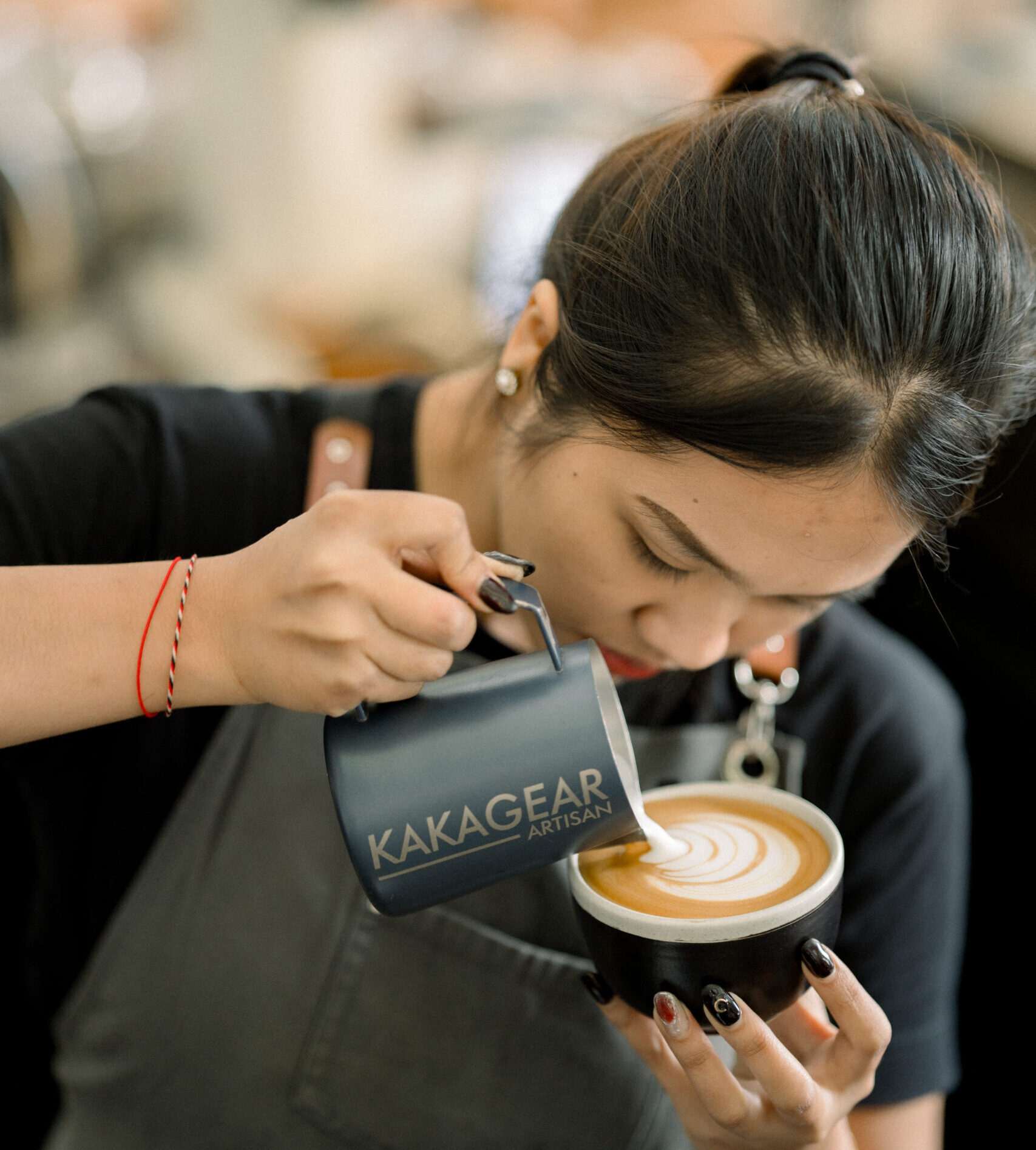
This is where the idea of coffee ritual in Bali becomes clear: coffee as a way to arrive into the day, not rush through it.
What Does “Coffee Ritual in Bali” Really Mean?
A coffee ritual is not a formal ceremony. It does not involve rules, incense, or prayers.
Instead, it is something simpler: taking time before the day unfolds, sitting rather than standing, noticing surroundings rather than scrolling.
In Balinese daily life, coffee often appears in moments of transition — before work begins, after offerings are placed, or when activity slows. The ritual is not in the drink itself, but in how it is consumed.
Morning Coffee and the Rhythm of Daily Life
Morning in Bali is quiet by design. Before traffic, before visitors move, and before heat builds, villages wake slowly. This is when coffee feels most natural — not to energize, but to settle into the day.
A true coffee ritual in Bali happens before spa appointments, before village walks, before rituals, and before conversations. Coffee marks presence, not productivity.
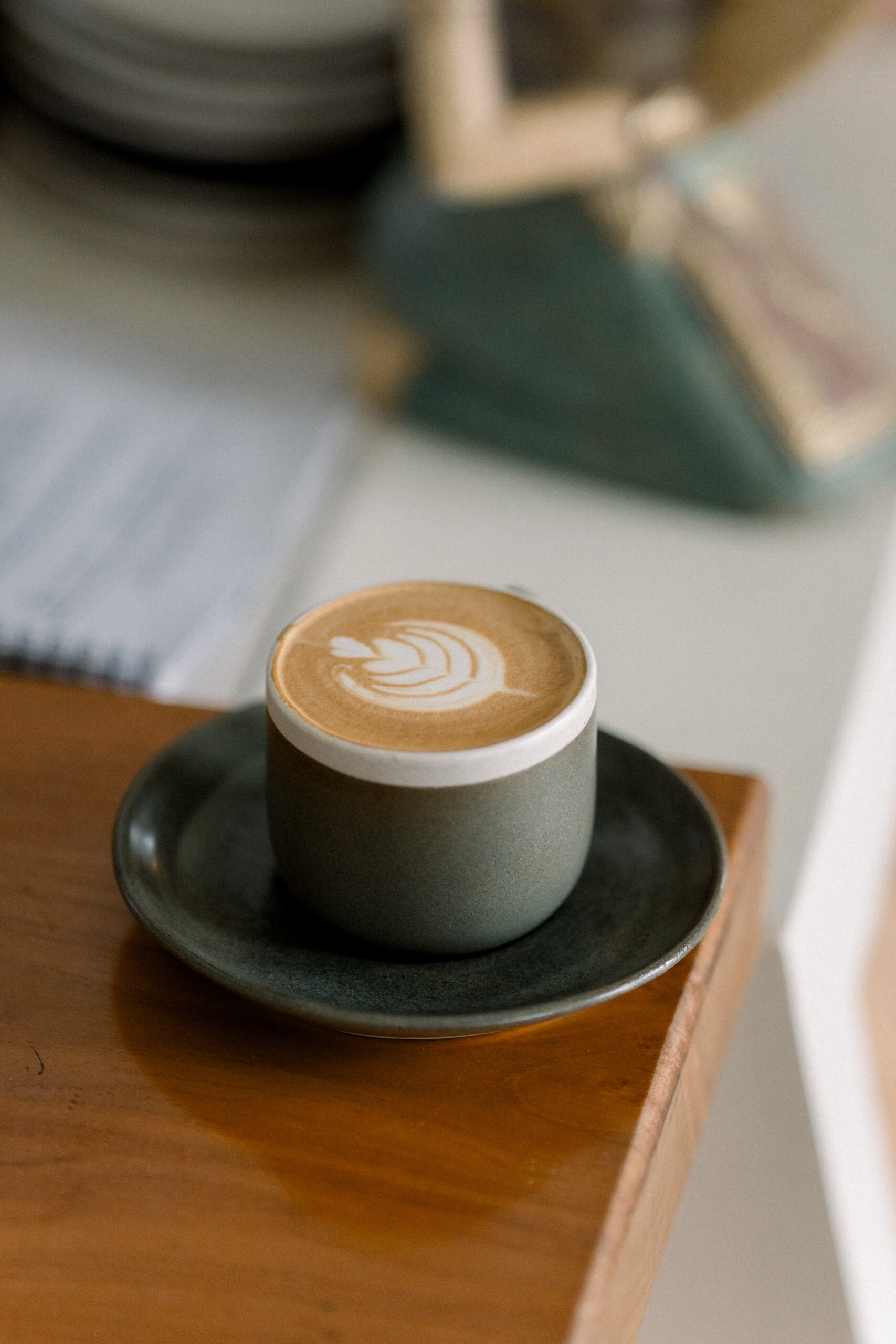
Coffee as a Pause, Not a Rush
One of the biggest misunderstandings about coffee culture in Bali is assuming it mirrors city café life elsewhere.
In a ritual context, coffee is not meant to be efficient. There is no hurry to finish and no expectationto multitask. The value lies in stopping — even briefly — and allowing the body and mind to align before moving on.
This slower approach to coffee connects naturally with wellness, not as treatment, but as habit.
Coffee and Place Are Inseparable
A coffee ritual only makes sense when it belongs to its surroundings. Air, temperature, silence, and pace all shape how coffee is experienced.
This is why coffee in Bali feels different in villages compared to urban centers.
Coffee here blends into the environment rather than standing apart from it.
Coffee, Silence, and Conversation
A meaningful coffee ritual allows space for both silence and conversation.
Some mornings invite quiet reflection. Other moments invite gentle, unplanned conversation.
In both cases, coffee functions as a medium — not the focus.
It gives permission to sit, to listen, and to slow down.
Coffee Within the Gangga Experience
Within the broader Gangga Experience, coffee is not treated as a standalone attraction.
It supports the rhythm of the stay.
Coffee appears before wellness rituals, between village experiences, after moments of reflection, and during pauses in the day. This keeps coffee grounded in daily life rather than elevating it into something performative.
Why This Coffee Ritual Feels Different
The difference lies not in exclusivity, but in restraint.
By resisting the urge to turn coffee into spectacle, the ritual remains intact.
The experience stays personal. The moment stays quiet.
For travelers seeking a deeper connection to Bali, this kind of coffee ritual often becomes one of the most remembered parts of the journey — not because it was extraordinary,
but because it felt right.
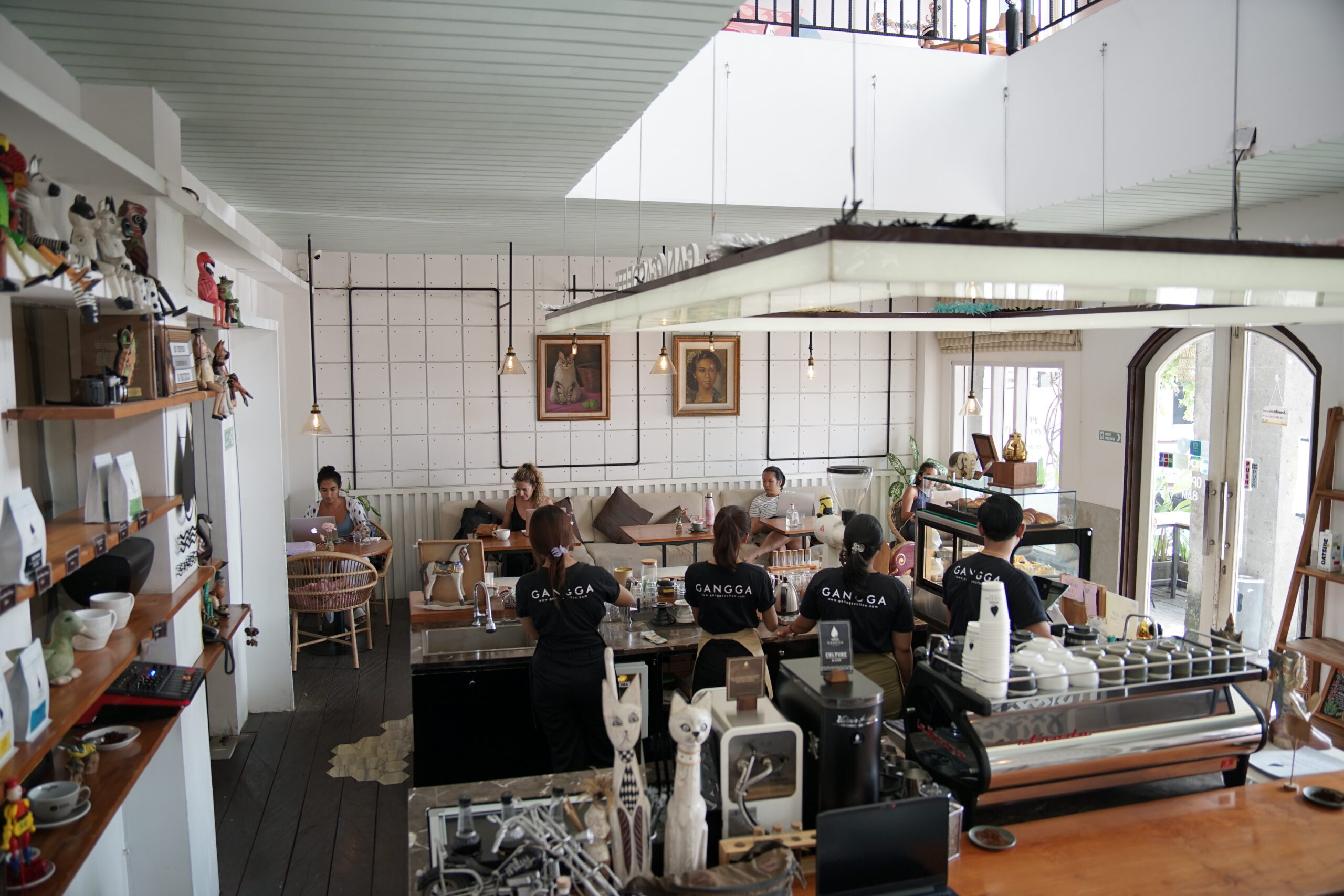
A Reflection Before You Drink
A coffee ritual in Bali does not ask you to learn anything new.
It asks you to unlearn urgency.
When coffee is allowed to be slow, it stops being a product and becomes a marker of time well spent.
Continuing the Dining Journey
Coffee is one expression of how food and drink fit into daily life within Gangga Experience —
shaped by rhythm, place, and presence rather than trend.
If you wish to explore dining as part of lived experience, you may continue here: